


Renfert Adhesive 1733.2000 – Instant Cyanoacrylate Glue for Dental Laboratories
Référence: H99029

Renfert Adhesive 1733.2000 — instant cyanoacrylate glue for dental laboratories
Key benefits for dry plaster bonding and mixed materials
- Very fast setting: saves time on assemblies, repairs and adjustments in the lab.
- Low viscosity: excellent capillary action to penetrate micro-porosities and improve adhesion.
- Versatile: bonds plaster, resins, metals and ceramics depending on the task.
- Controlled application: clean dispensing, ideal for small surfaces and hard-to-reach areas.
Dental applications (lab)
- Assembly and repair on dry plaster models (parts, fragments, touch-ups).
- Fast fixation of accessories or small components on work supports.
- Technical bonding on resins (PMMA / acrylics), metals and ceramics depending on the configuration.
Recommended use
- Prepare: surfaces must be clean, dry and dust-free. For plaster, use fully dry material.
- Apply: dispense a micro-drop, assemble immediately, hold pressure for a few seconds.
- Optimize: avoid excess (best strength with a thin adhesive film). Ventilate the workstation for repeated use.
- Store: close immediately after use; keep cool and dry.
Technical specifications
| Type | Instant cyanoacrylate adhesive |
|---|---|
| Viscosity | Low viscosity (approx. 18–20 mPa·s) |
| Materials | Dry plaster, metals, resins, ceramics (depending on use) |
| Packaging | Box of 6 × 10 g |
| Reference / SKU | 1733.2000 |
Product video
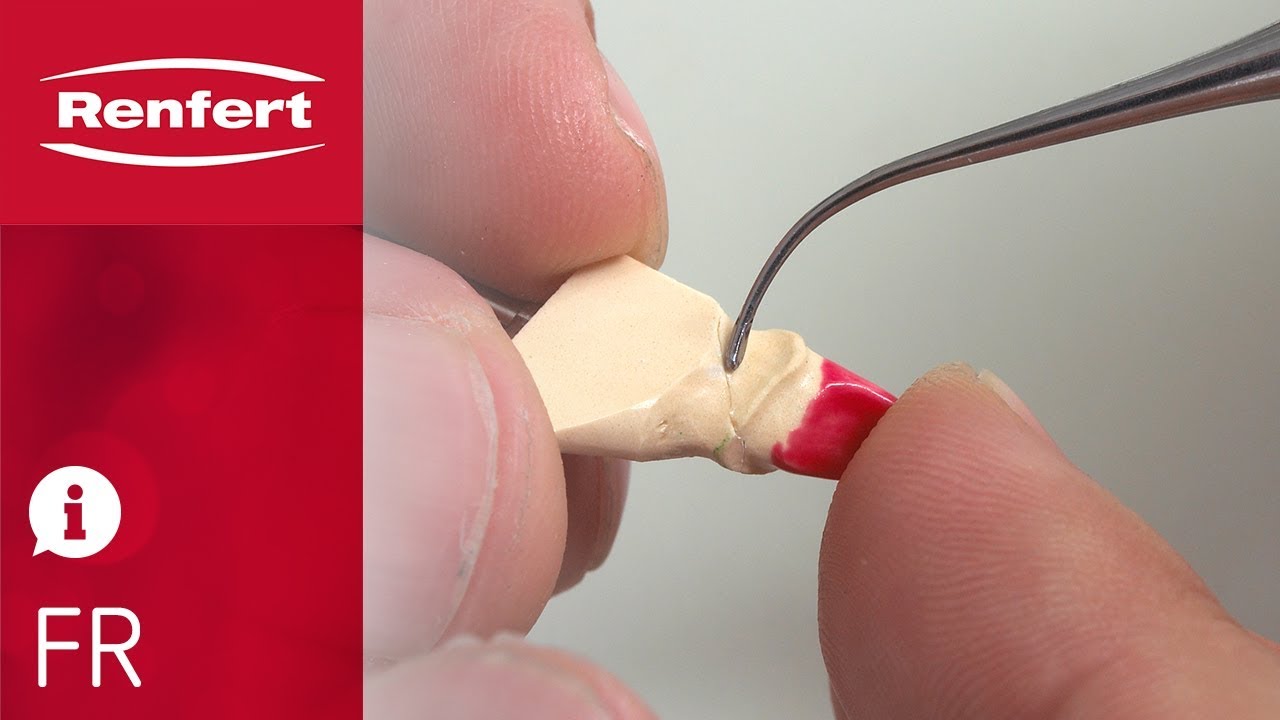
Shipping & storage tips
- Laboratory product: keep the bottle tightly closed and protected from humidity.
- For regular bonding, work in a ventilated area and wear eye protection.
- Avoid skin/eye contact: cyanoacrylate bonds in seconds.
FAQ — Renfert Adhesive 1733.2000
Why is this adhesive recommended for dry plaster?
Fully dry plaster provides a stable surface with minimal moisture, which helps cyanoacrylate set quickly and bond consistently. On damp plaster, performance may become uneven (very fast surface setting, whitening, reduced uniform adhesion). For reliable results, remove dust, ensure dryness, and apply a very small amount: a thin film often bonds better than excess adhesive.
Can it also bond resins, metal or ceramics?
Yes. This instant adhesive is commonly used for quick bonding on various materials (e.g., acrylic resins, small metal parts, ceramic elements), provided surfaces are clean, dry and well-fitted. Bond strength depends on surface preparation (degreasing, no plaster dust), minimal gap (thin film), and the final stresses applied. For highly load-bearing structural assemblies, follow your laboratory protocol and the recommended bonding solution.
How do you apply an instant adhesive neatly in the lab?
Use very small amounts: a micro-drop is often enough. Apply close to the bonding area, assemble immediately, then hold firm pressure for a few seconds. Avoid flooding the joint: too much adhesive can weaken the bond and leave a thick residue. For a clean finish, remove excess before full curing when possible, and avoid touching the area with gloves contaminated with plaster dust.
How should the adhesive be stored to maintain performance?
Close immediately after use and store in a cool, dry, well-ventilated place. Humidity and temperature swings can accelerate curing in the nozzle and shorten shelf life. Keep the tip clean: a quick wipe (without contaminating the bottle) helps maintain consistent flow. For occasional use, cool storage is often preferred in the laboratory.
 Renfert Adhesive 1733.2000 – Instant Cyanoacrylate Glue for Dental Laboratories