


Asiga MAX 2 Crown Kit Tray Dreve for Dental 3D Printing of Temporary Crowns
Référence: H104888

Asiga MAX 2 Crown Kit Tray – dedicated production vat for high-precision dental resins
The Asiga MAX 2 Crown Kit Tray is a technical accessory developed for dental 3D printing workflows requiring outstanding production stability with resins intended for temporary crowns, temporary bridges, aesthetic mock-ups, and high-definition printed dental restorations.
Compatible with Asiga MAX 2 printers, this production tray helps maintain consistent printing quality for applications requiring extremely high surface precision, excellent repeatability, and reliable management of photopolymer resins used in the digital dental laboratory.
A technical tray optimized for printed crown workflows
In a modern CAD/CAM production environment, resin tray stability directly impacts the final quality of dental 3D prints. The Asiga MAX 2 Crown Kit has been designed for dental laboratories and dental centers seeking reliable production of resin-based temporary restorations.
This type of tray is particularly suitable for dental resins used for temporary crowns, temporary bridges, aesthetic guides, or applications requiring excellent detail accuracy.
Dental laboratory applications
- Temporary crown printing
- Temporary bridge production
- Printed aesthetic mock-ups
- CAD/CAM transitional restorations
- High-precision chairside workflows
- Daily digital production
Technical advantages
- Compatible with Asiga MAX 2 printers
- Stable processing of technical dental resins
- Excellent print consistency
- Simplified 3D workflow maintenance
- Optimized restorative printing performance
- Repeatable production in digital laboratories
Technical specifications
| Product | Asiga MAX 2 Crown Kit Tray |
|---|---|
| Brand | Dreve |
| SKU | H104888 |
| Compatibility | Asiga MAX 2 3D printer |
| Applications | Temporary crowns, temporary bridges, printed restorations |
| Technology | Dental UV DLP 3D printing |
| Use | Dental laboratory and digital dental clinic |
| Resin compatibility | Asiga-compatible photopolymer dental resins |
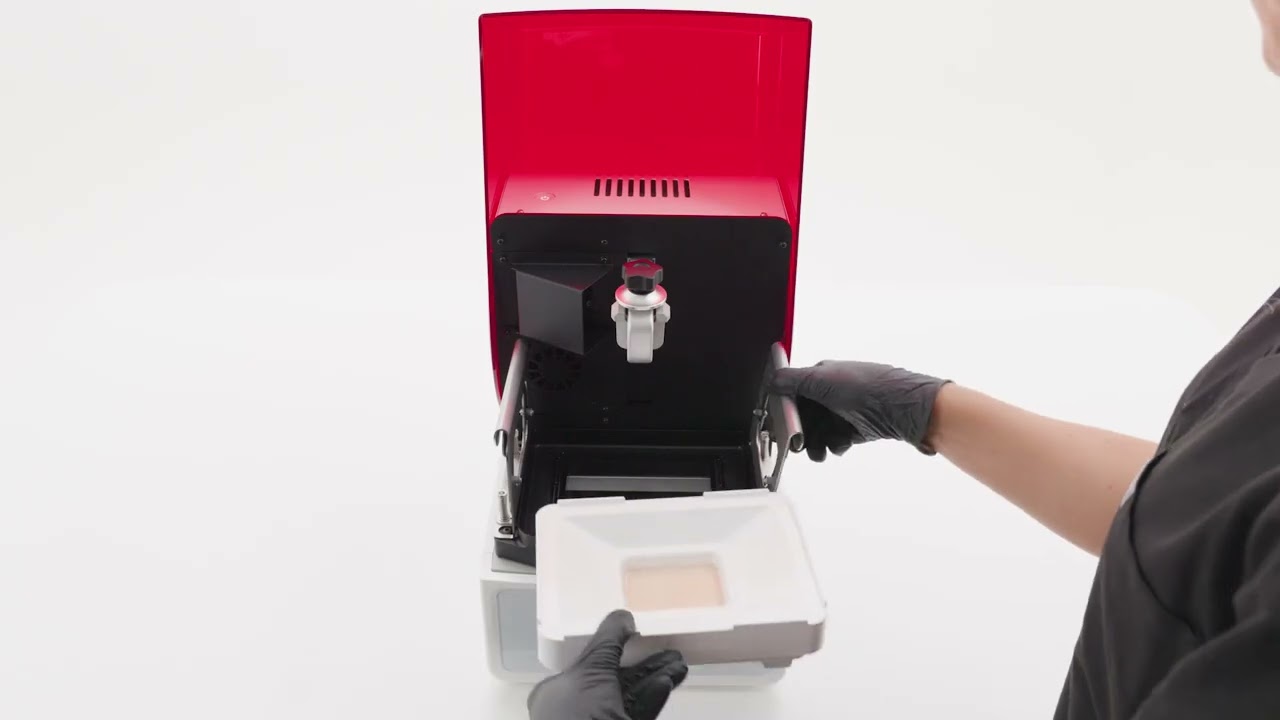
Official Asiga MAX Crown Kit Video
Discover how the Asiga MAX Crown Kit works, an optimized system for fast dental 3D printing of crowns, veneers, inlays, onlays, and restorations with low resin consumption.
Laboratory advice
To maintain excellent printing quality, it is recommended to regularly inspect the condition of the tank film as well as the cleanliness of the tray before each production cycle involving temporary crowns or printed restorations.
A properly maintained vat helps reduce polymerization defects and improves the stability of dental 3D printing for precision restorative work.
Recommended workflow
- CAD/CAM file preparation
- Selection of compatible resin
- Installation of the Crown Kit tray
- Launch of the Asiga MAX 2 print job
- Cleaning and post-curing
- Finishing of printed restorations
Related products


Shipping & laboratory environment
This Asiga MAX 2 Crown Kit tray is intended for professional dental 3D printing environments requiring stable and repeatable production performance.
Suitable for digital dental laboratories, CAD/CAM centers, and clinics equipped with an Asiga 3D printing workflow.
Frequently asked questions
What is the Asiga MAX 2 Crown Kit tray used for?
This tray is designed for dental 3D printing applications using resins intended for temporary crowns and transitional restorations.
It contributes to the stability and repeatability of the printing process.
Is this tray compatible with all Asiga printers?
The Crown Kit is designed for use with Asiga MAX 2 printers. It is recommended to verify exact compatibility with your specific setup before use.
Can different dental resins be used with this tray?
Yes, the Asiga system operates with an open architecture compatible with numerous validated dental resins for UV DLP 3D printing.
The choice of resin depends on the clinical or laboratory application required.
Why should a 3D printing tray be replaced regularly?
Over time and with intensive use, the tank film may lose performance.
Periodic replacement helps maintain excellent surface quality and reduces the risk of printing failures.
 Asiga MAX 2 Crown Kit Tray Dreve for Dental 3D Printing of Temporary Crowns